
A Boutique Studio Built on Big-Firm Heritage.
Buildings have potential. We unlock it.
Commercial, residential, hospitality and waterfront architecture for ambitious clients worldwide.
20+ Years Leadership | £1bn+ Development Value | Major Hospitality, Waterfront & Urban Regeneration Projects
Selected Clients & Collaborators





What we do
-
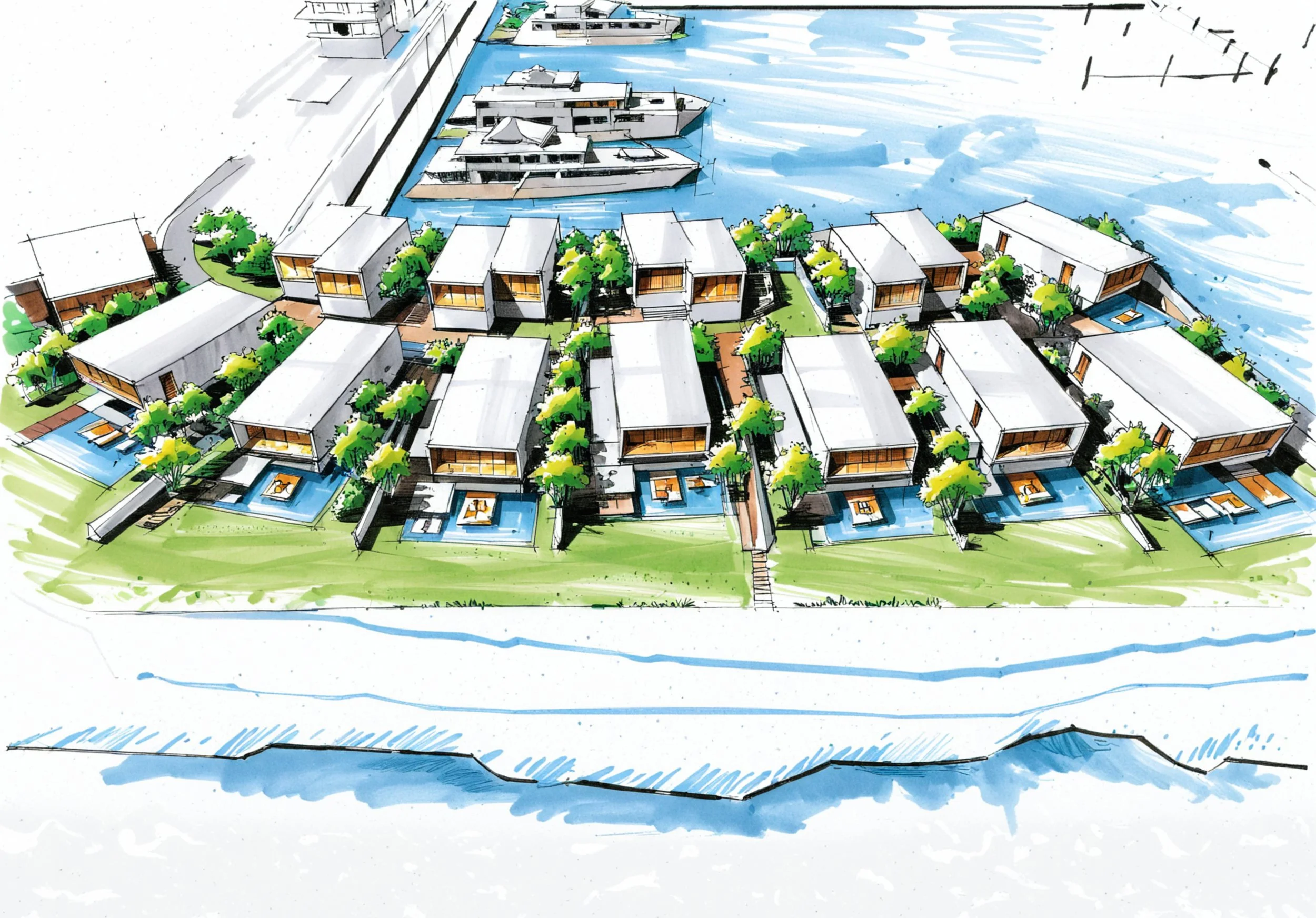
Waterfront & Marina
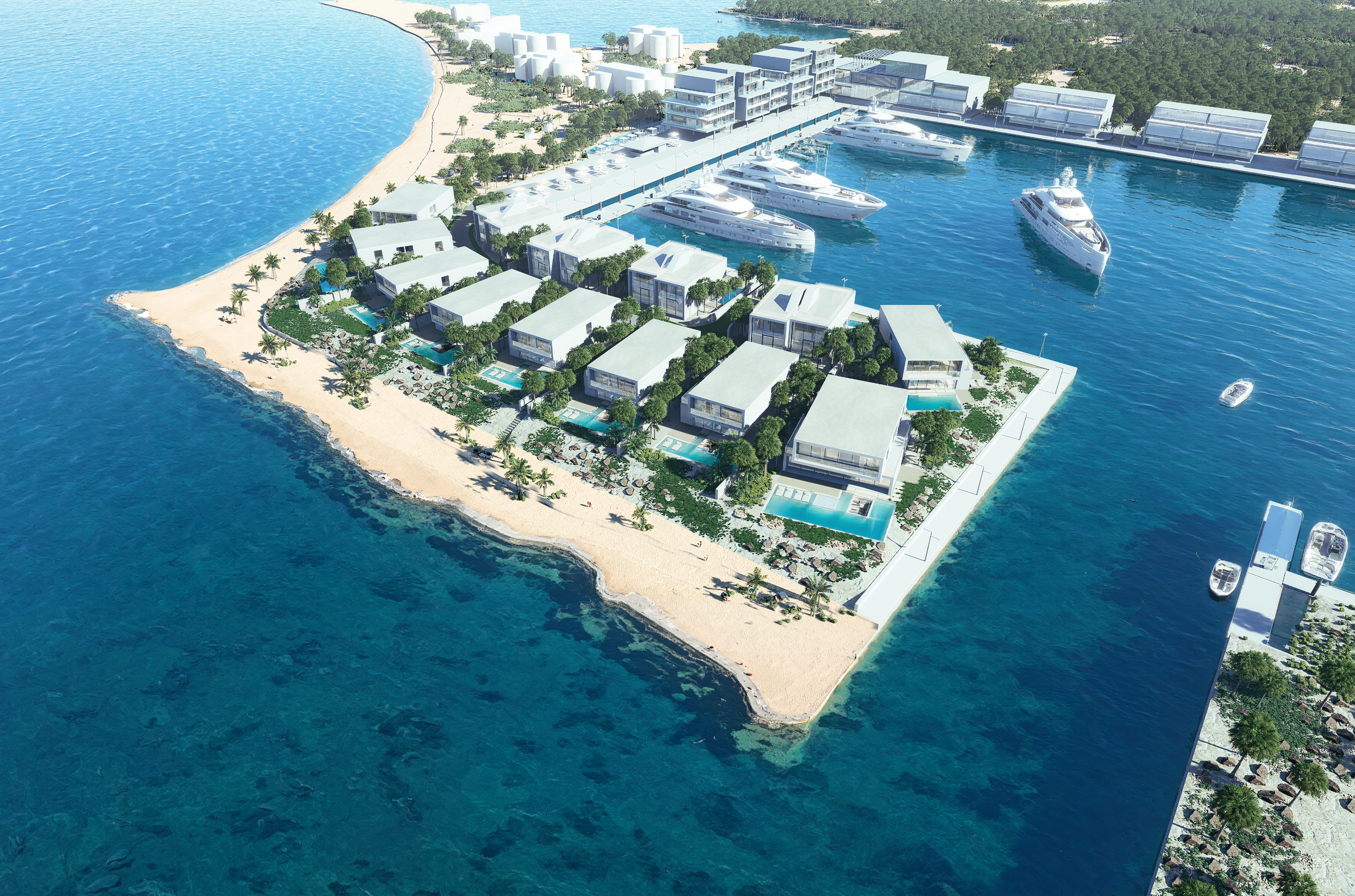
Marina masterplans, superyacht destinations, resort hotels, and branded residences shaped by commercial intelligence, technical precision, and exceptional guest experience. Current work includes Port Nimara in Anguilla, now under construction.
-
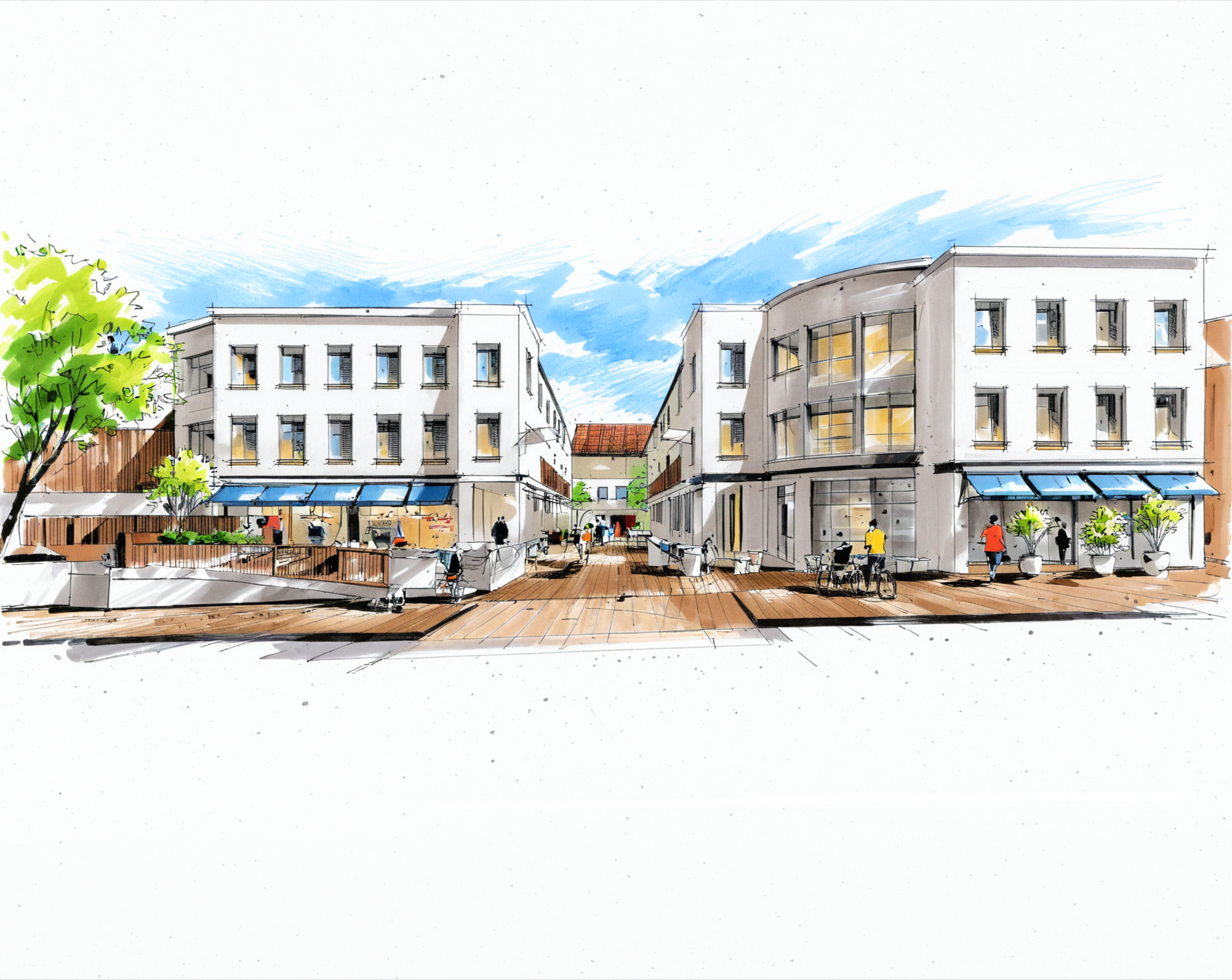
Commercial, Residential & Mixed-Use
Commercial offices, mixed-use and residential in London and internationally. Twenty years of direct experience on complex urban sites, from feasibility and planning through to delivery.
-
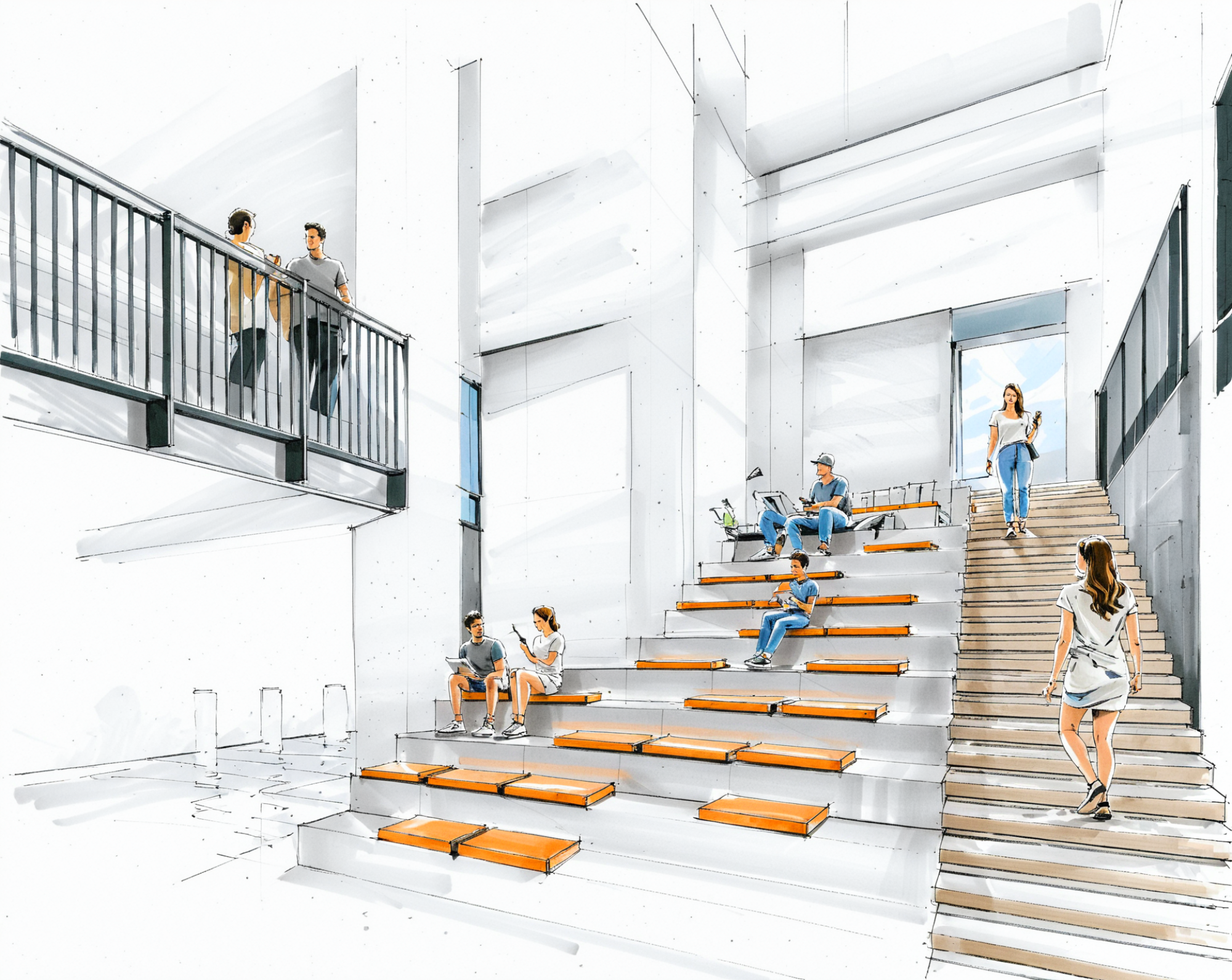
Repositioning, Cut-and-Carve & Adaptive Reuse
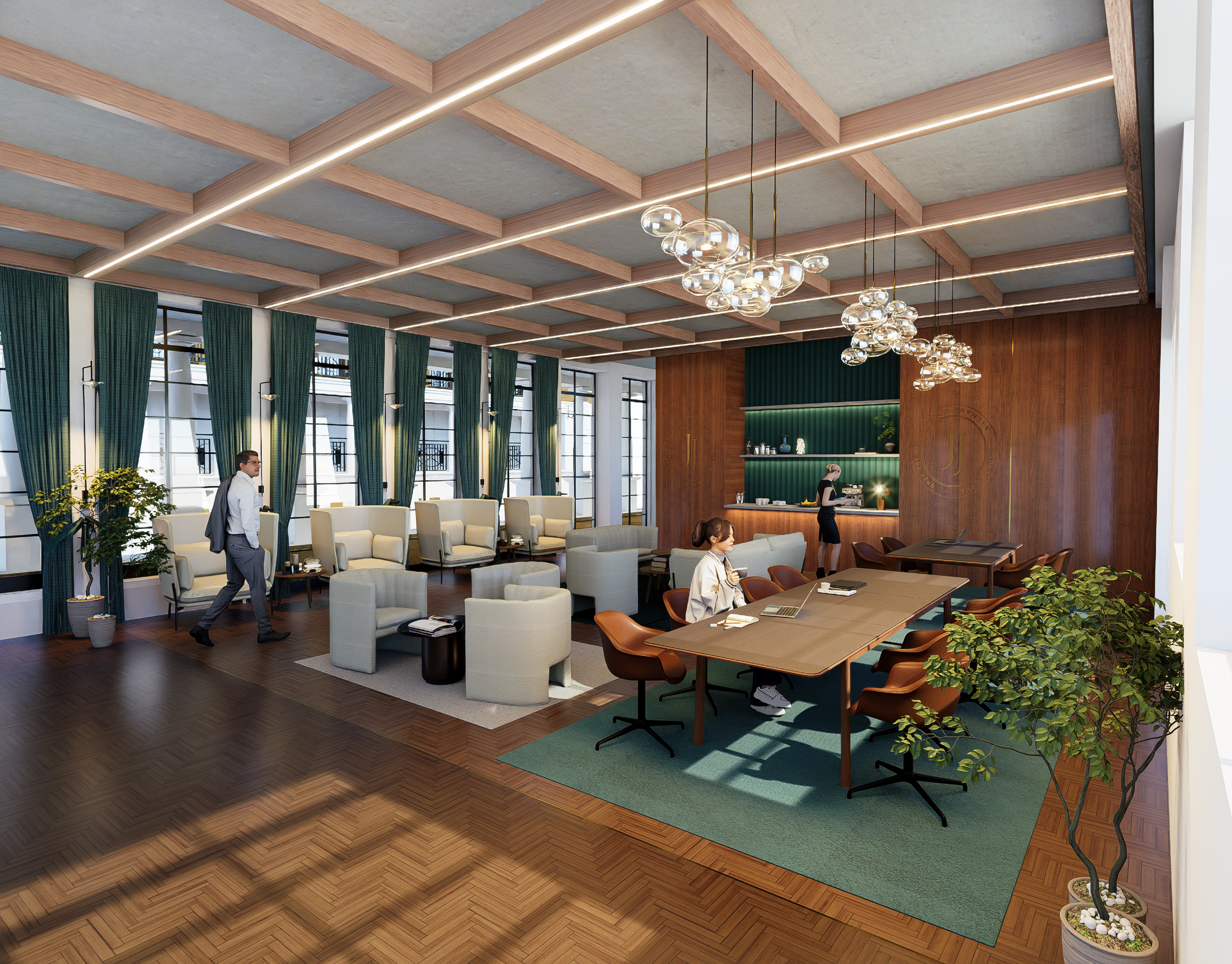
Cut-and-carve, change of use, office repositioning and heritage-led transformation. Current work includes a major conversion from commercial to mixed-use and The JJ Club, a new private members’ club in London.
SELECTED PROJECTS
-
![Port Nimara Luxury Resort by Brandon Buck Architects]()
Port Nimara
Anguilla, 2026
New Build, Mixed Use - Hotel, Yacht Club, Branded Residences, Villas, Townhouses, Restaurants, Customs&Immigration Building, Infrastructure Building, Back Of House, Marina.
A landmark waterfront destination comprising marina infrastructure, yacht club, luxury hospitality, branded residences, private villas, curated retail and public realm. Conceived as a new international benchmark for marina-led placemaking, the development integrates architecture, infrastructure and landscape into a single highly connected coastal ecosystem.
-
![Major Urban Commercial Cut and Carve by Brandon Buck Architects]()
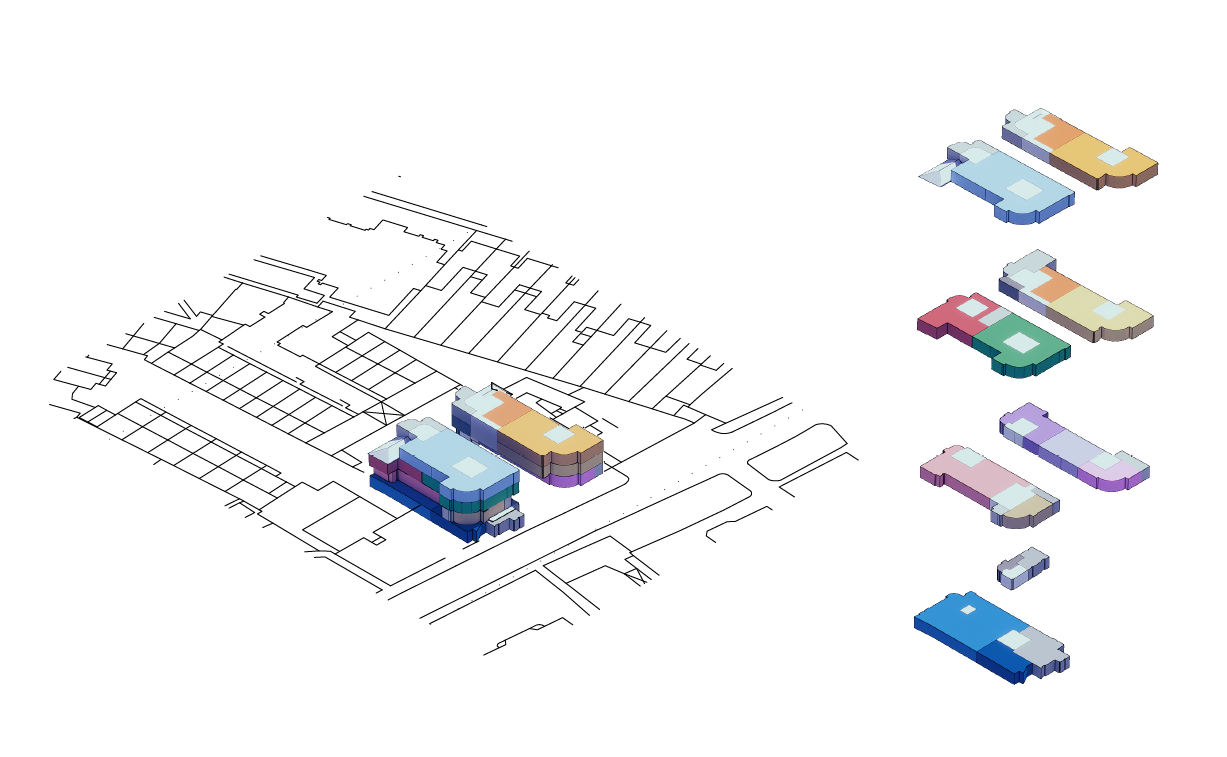
City-Centre Transformation
United Kingdom, 2026
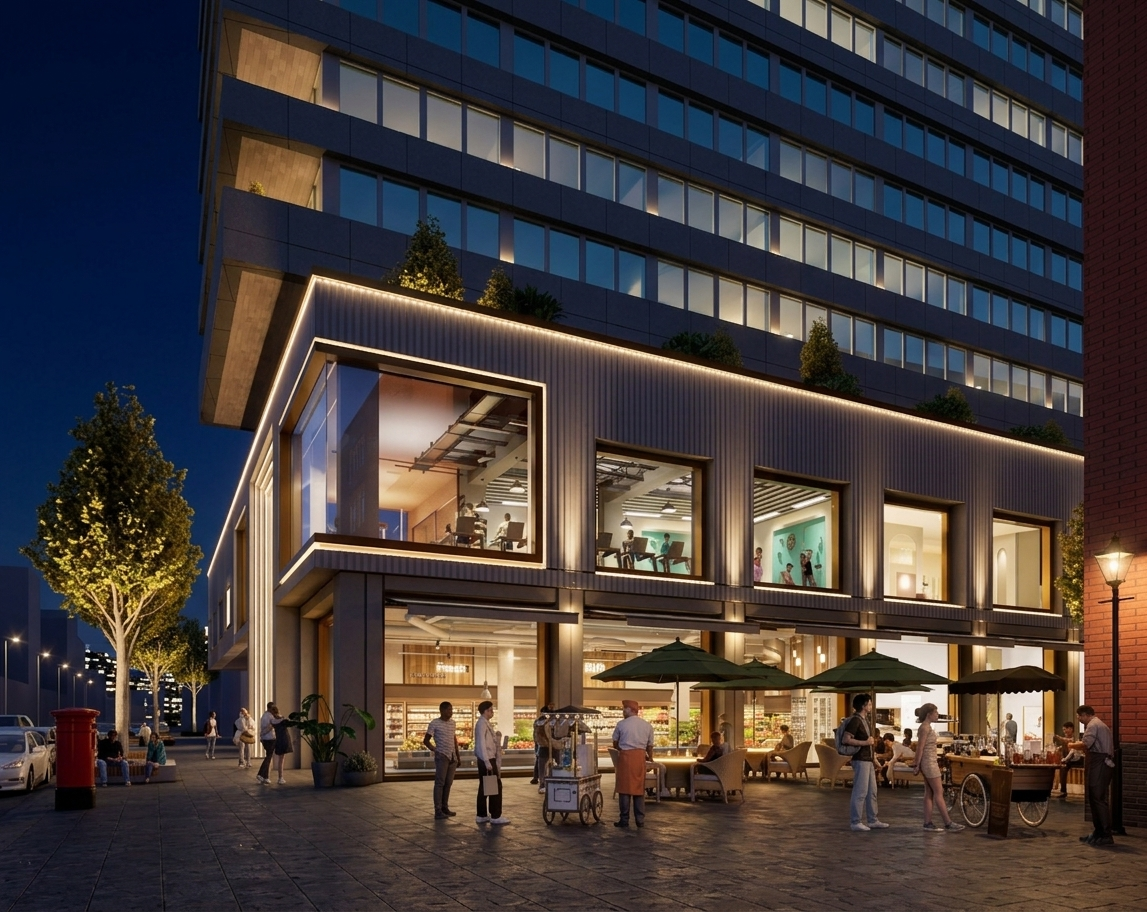
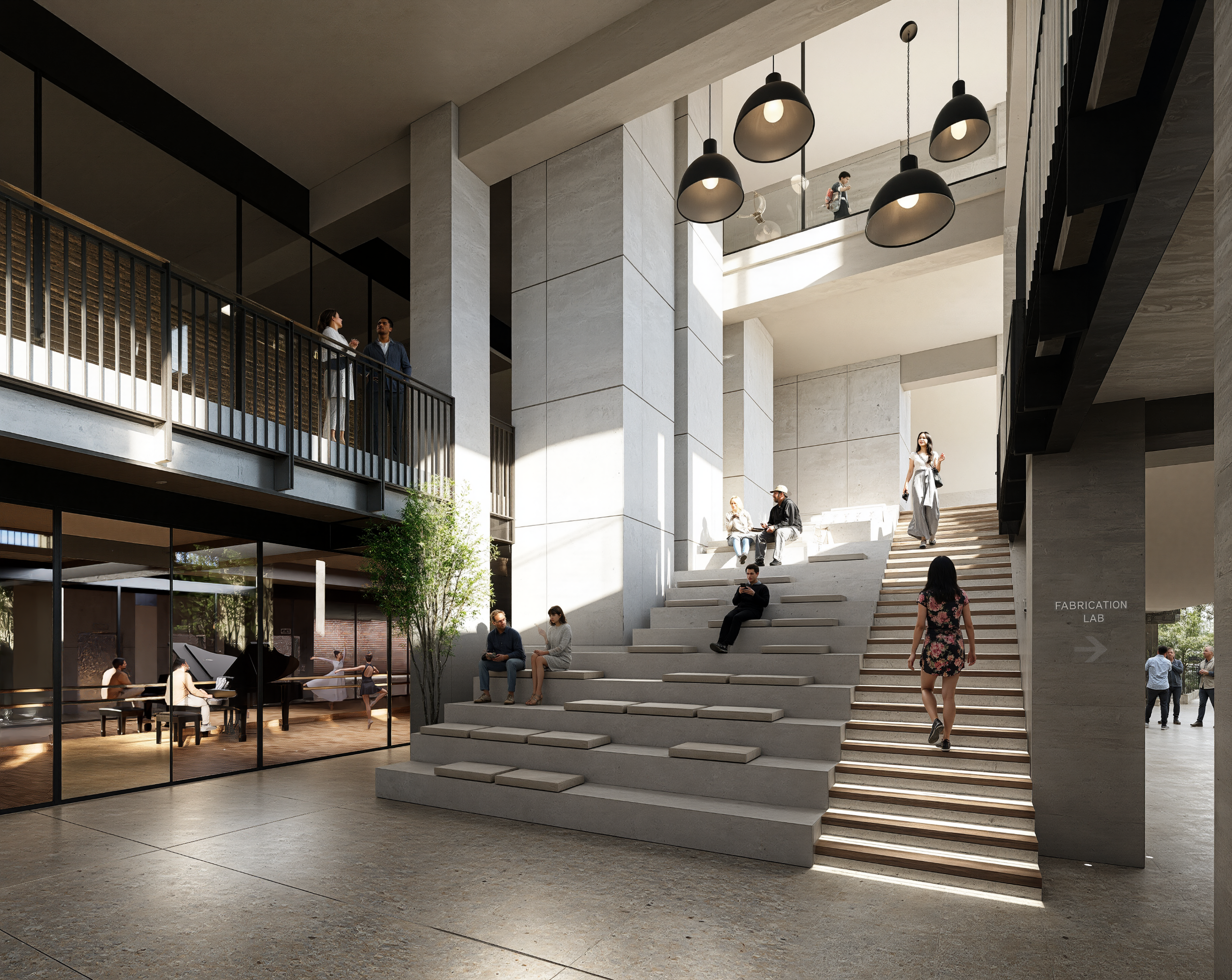
Cut-and-Carve - Commercial Office, Market Place, Private Members Club, Creative Spaces
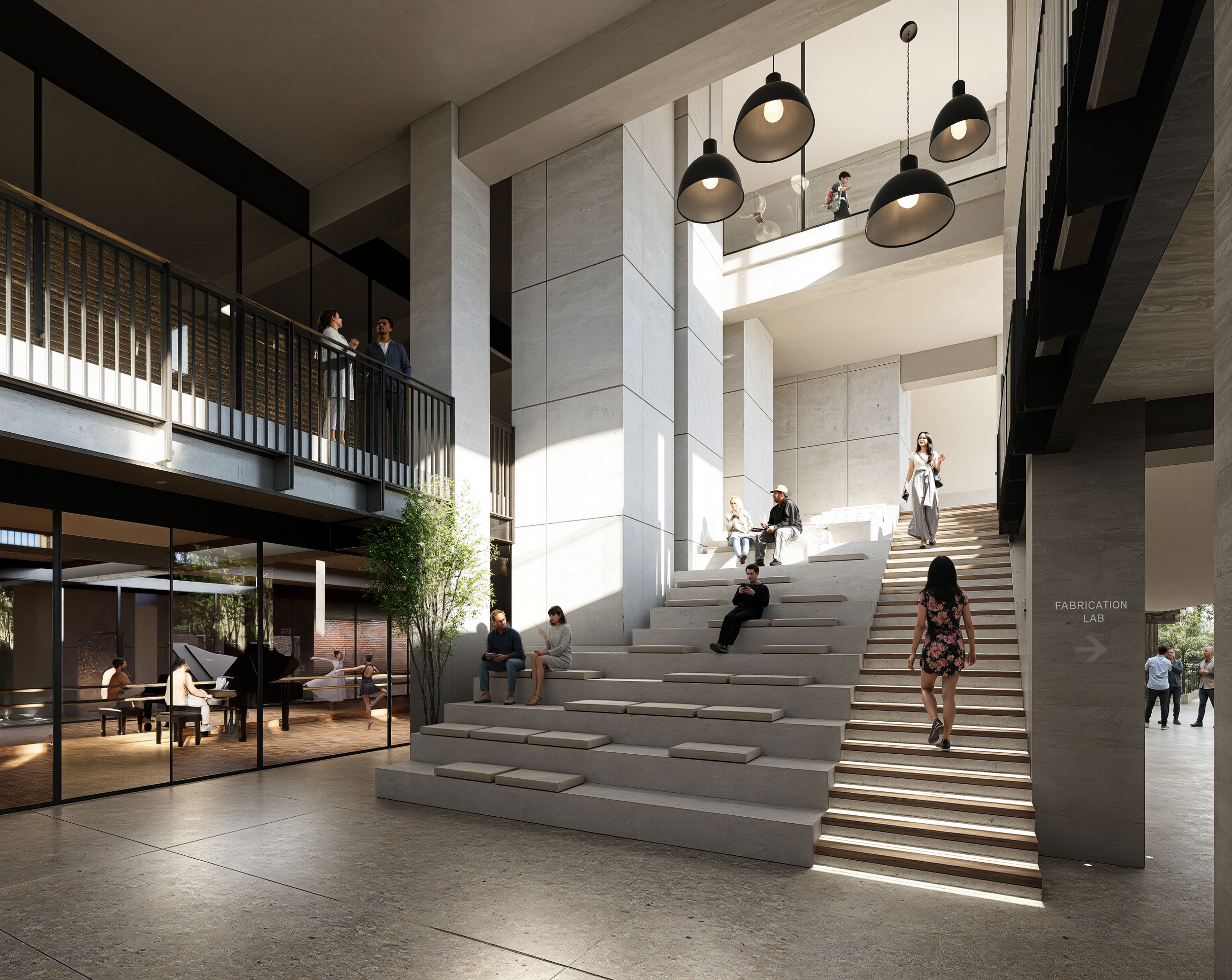
Adaptive reuse of a major city-centre commercial asset, repositioning an underperforming office building as a mixed-use destination integrating workspace, culture, hospitality, wellness and community. Through strategic intervention and minimal structural alteration, the project creates long-term economic, social and placemaking value.
-
![The JJ Club London by Brandon Buck Architects]()
The JJ Club
London, 2026
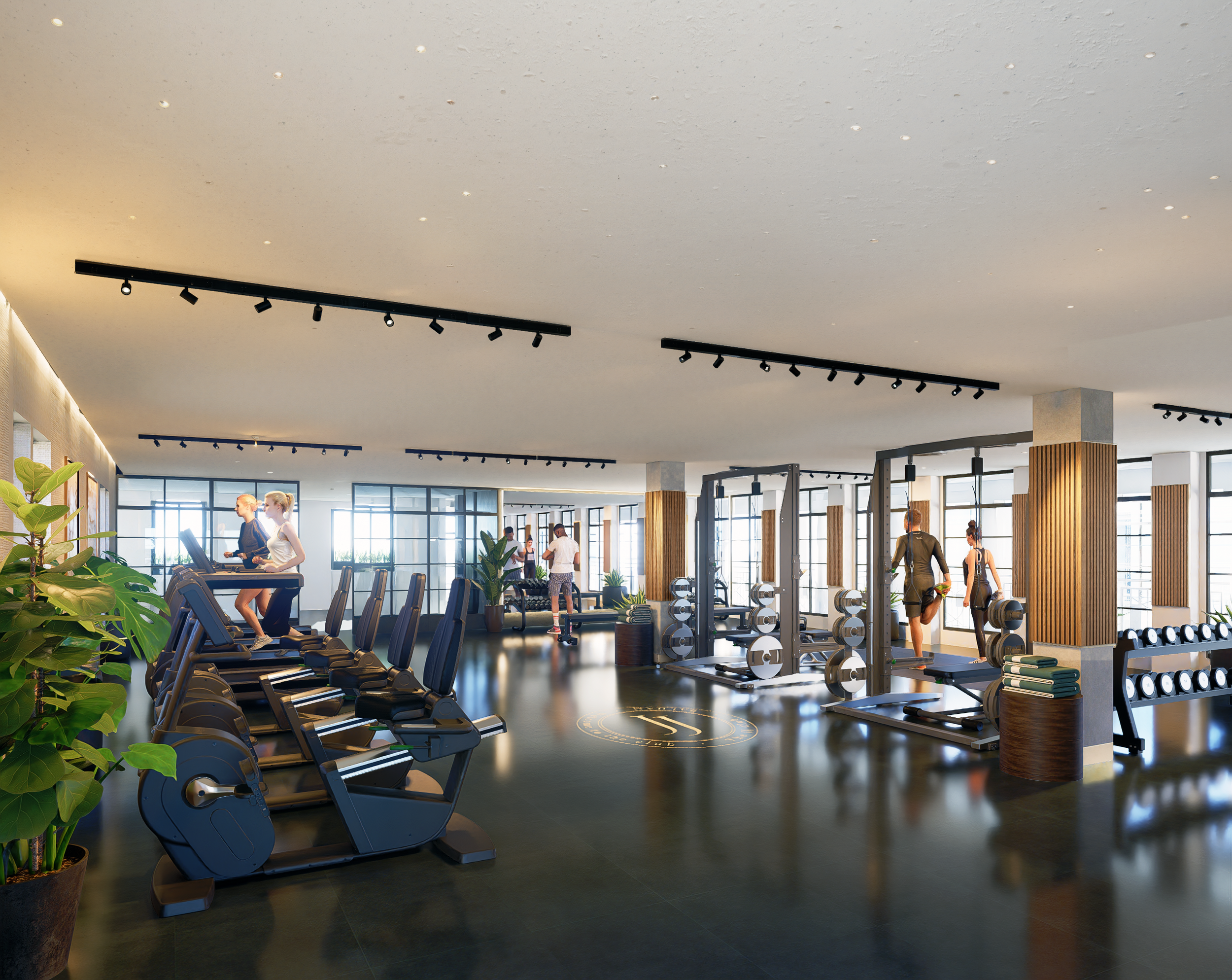
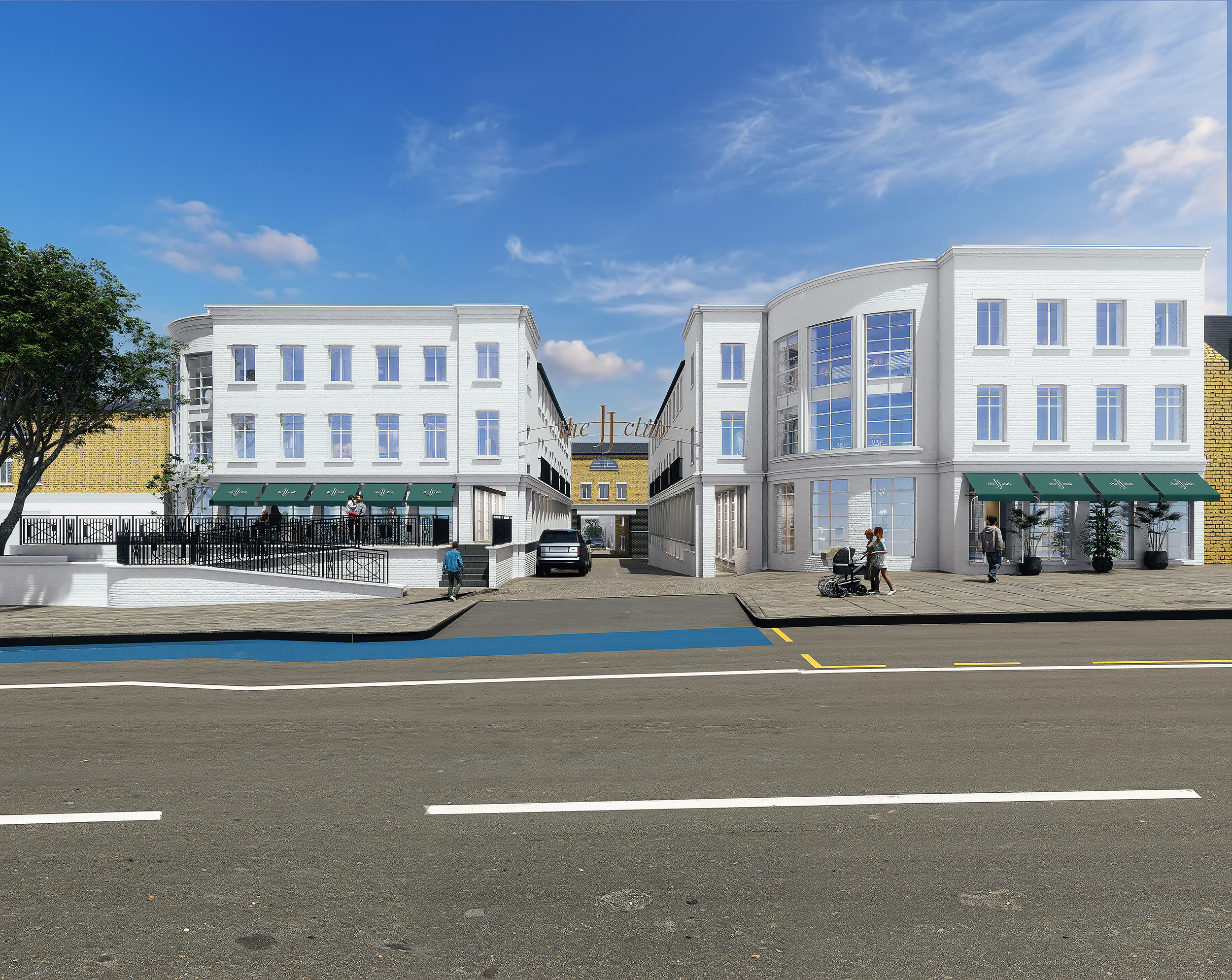
Cut-and-Carve, Change of Use - Residential to Private Members Club (incl. Gym, Swimming Pool, Co-Working, Creche, Teen/Tween Areas, Restaurants)
A next-generation private members’ club designed around the realities of contemporary family life, combining wellness, hospitality, childcare, entertainment and workspace within a single vertically connected environment. The project redefines amenity as both lifestyle infrastructure and commercial value creation.
-
![Commercial Office Cut-and-Carve London]()
Which? Headquarters
London, 2023
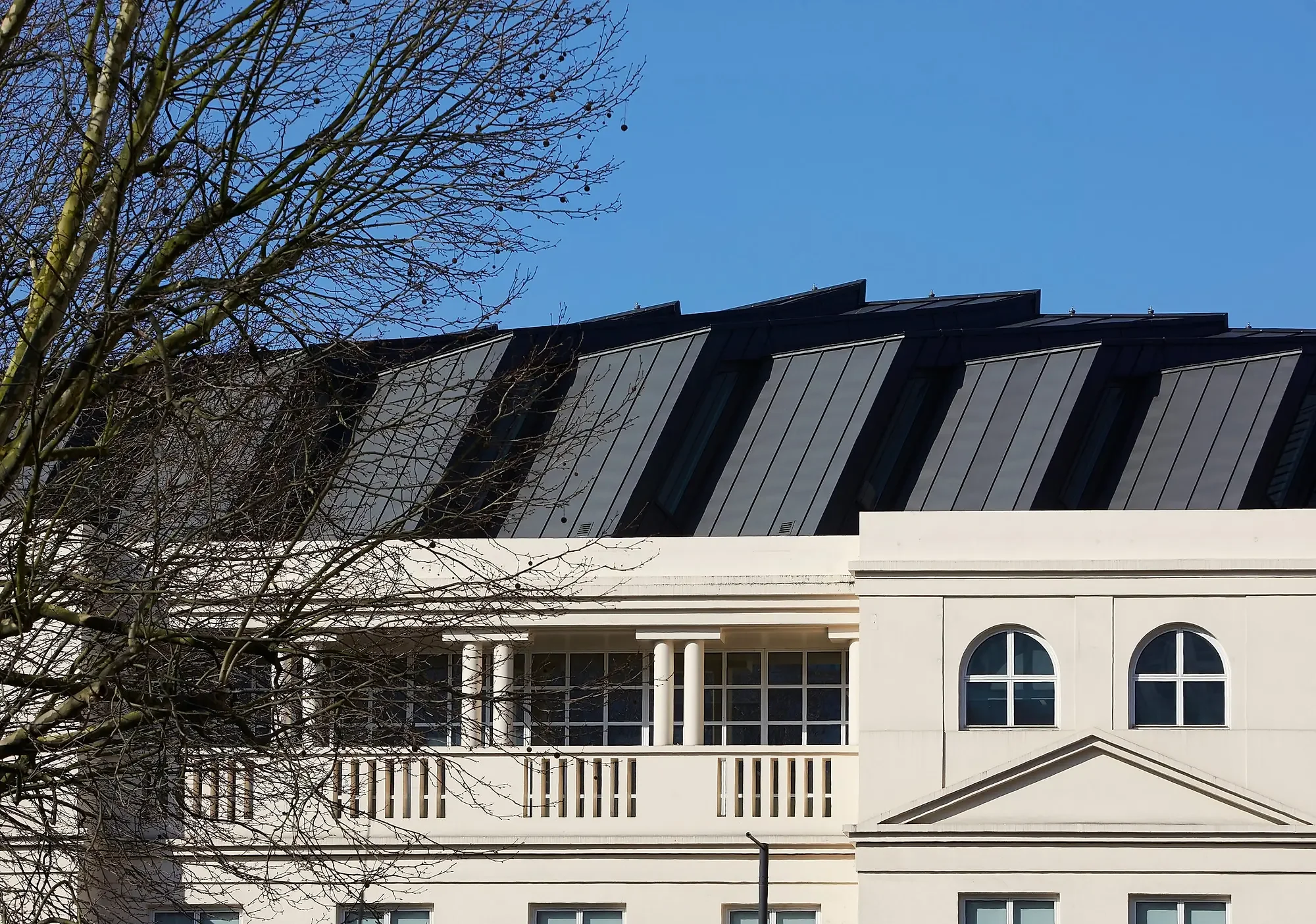
Cut-and-Carve, Change of Use - Commercial Office to Luxury Residential
(Credit: With Kohn Pedersen Fox Associates)
Strategic cut-and-carve repositioning of a prime commercial office asset, enhancing identity, workplace experience and operational performance while unlocking significant additional value through targeted architectural intervention.
-
![Office to Residential Development London]()
96-98 Baker Street
London, 2023
Cut-and-Carve, Change of Use - Commercial Office to Luxury Residential
(Credit: With Perkins&Will)
Sensitive repositioning of a prime urban asset, transforming an existing building into a refined residential destination that balances heritage character, contemporary living and long-term investment performance within one of London’s most established neighbourhoods.
-
![New Build Commercial Office London]()
Sixty Holborn
London, 2013
New Build - Commercial Office
(Credit: With Kohn Pedersen Fox Associates)
Commercial office development delivering contemporary office environments through refined architecture, exceptional detailing and carefully curated amenity. Designed to maximise both spatial quality and long-term asset value within a highly competitive central London market.
-
![New Build Residential Tower London]()
Aykon London One
London, 2022
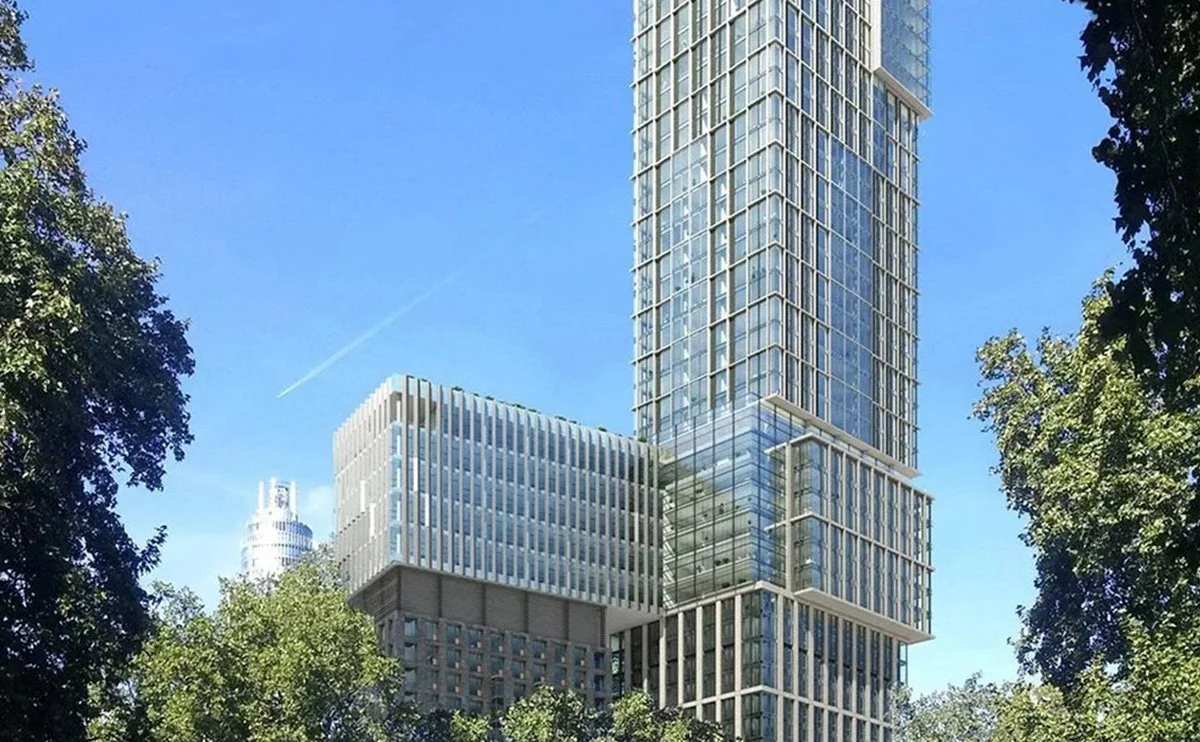
New Build, Mixed Use - Private Residential, Affordable Residential, Commercial Office.
(Credit: With Kohn Pedersen Fox Associates)
A residential-led destination shaped by experiential design, operational intelligence and placemaking. The project combines architecture, interior experience and commercial strategy to create a distinctive lifestyle offering for an international audience.


news




BRANDON BUCK ARCHITECTS PARTNERS WITH THE JJ CLUB
22 August, 2026 Brandon Buck Architects is delighted to announce our partnership with The JJ Club as lead architect and design partner for its flagship London location.
The project will transform two existing buildings into a new kind of private members’ club designed around modern family life — bringing together wellness, hospitality, co-working, childcare, dining and social spaces within a single destination.
Working closely with The JJ Club team, we are developing an architecture and interior environment that brings these different experiences together while giving the club a distinctive identity of its own.
The project represents an exciting opportunity to rethink the traditional members’ club for a new generation of families, and we look forward to sharing more as the design develops.
shaping a new marina destination
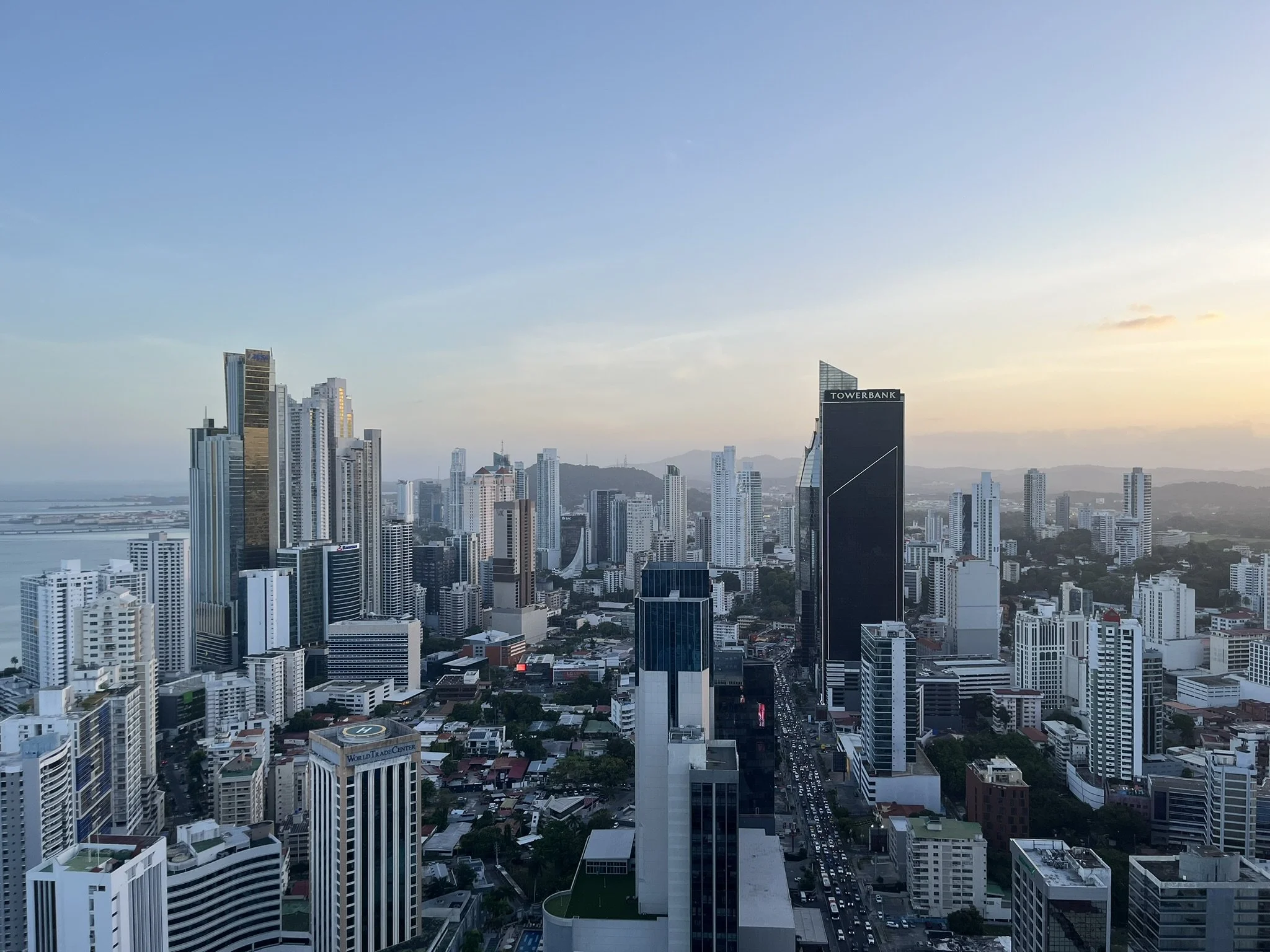
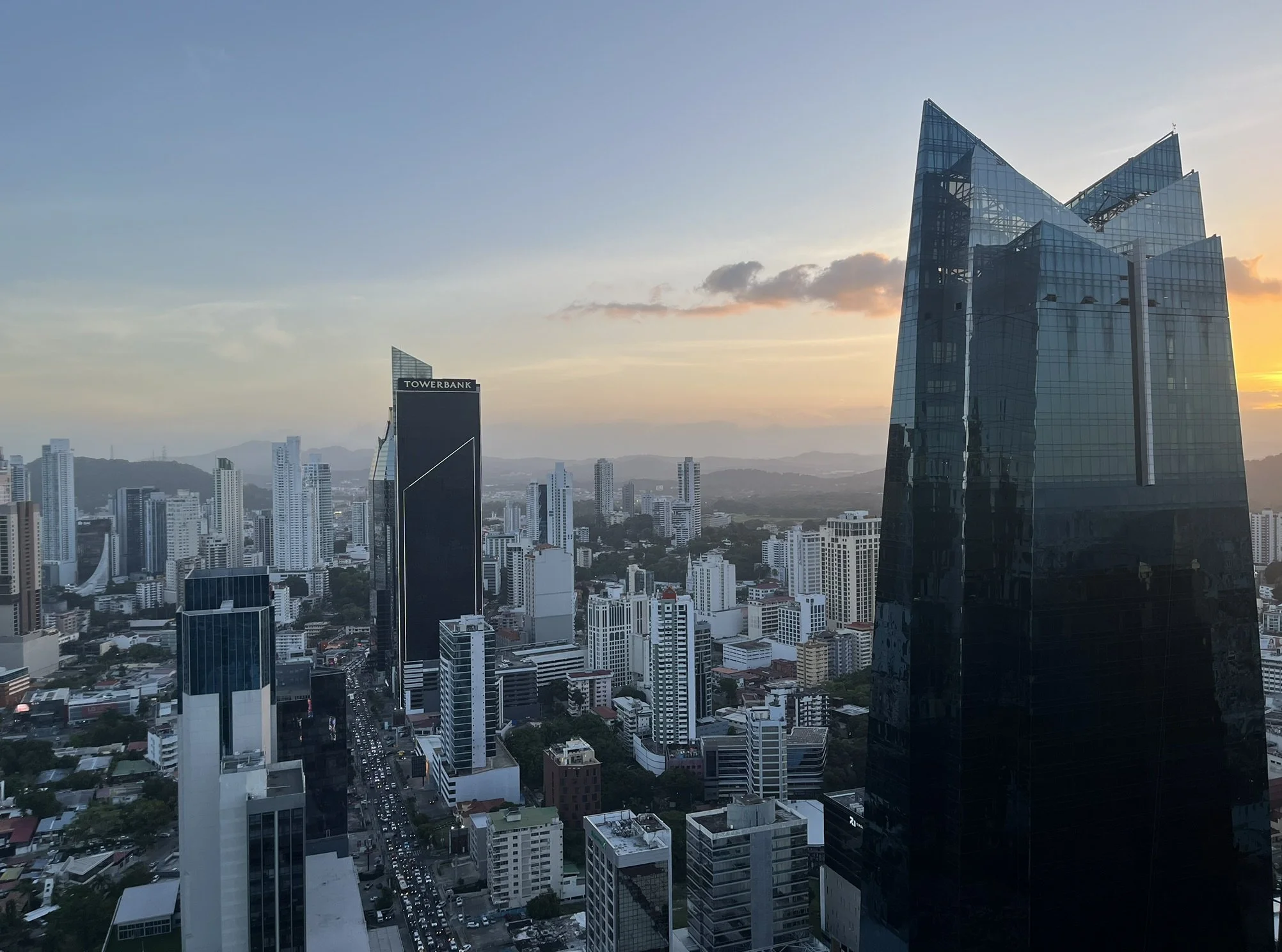
10 July, 2026 Brandon Buck Architects has recently returned from Panama and Miami following a series of client meetings, a site visit and a focused design charrette for a major confidential waterfront destination.
The project brings together a superyacht marina, hotel, yacht club, country club and private residences as part of a long-term vision for a new marina-led resort.
Panama is an extraordinary setting for this type of work. The scale of investment, ambition and growth across the region is creating opportunities for waterfront destinations that are commercially robust, internationally relevant and deeply connected to place.
For projects of this scale, the role of the masterplan is not simply to accommodate a series of buildings or uses. It is to establish the underlying structure of the destination: how people arrive, how they move, how they encounter the water, and how each part of the development contributes to a coherent experience.
Our current work is focused on refining these fundamentals, testing the relationship between land and water, strengthening the waterfront public realm and ensuring that each design decision supports the long-term vision for the project.
The workshops provided an important opportunity to work directly with the client, test ideas in real time and establish a clear direction for the next stage of design.
We look forward to sharing further updates as the project continues to develop.
Looking Ahead: Future Marina Destinations in the Caribbean
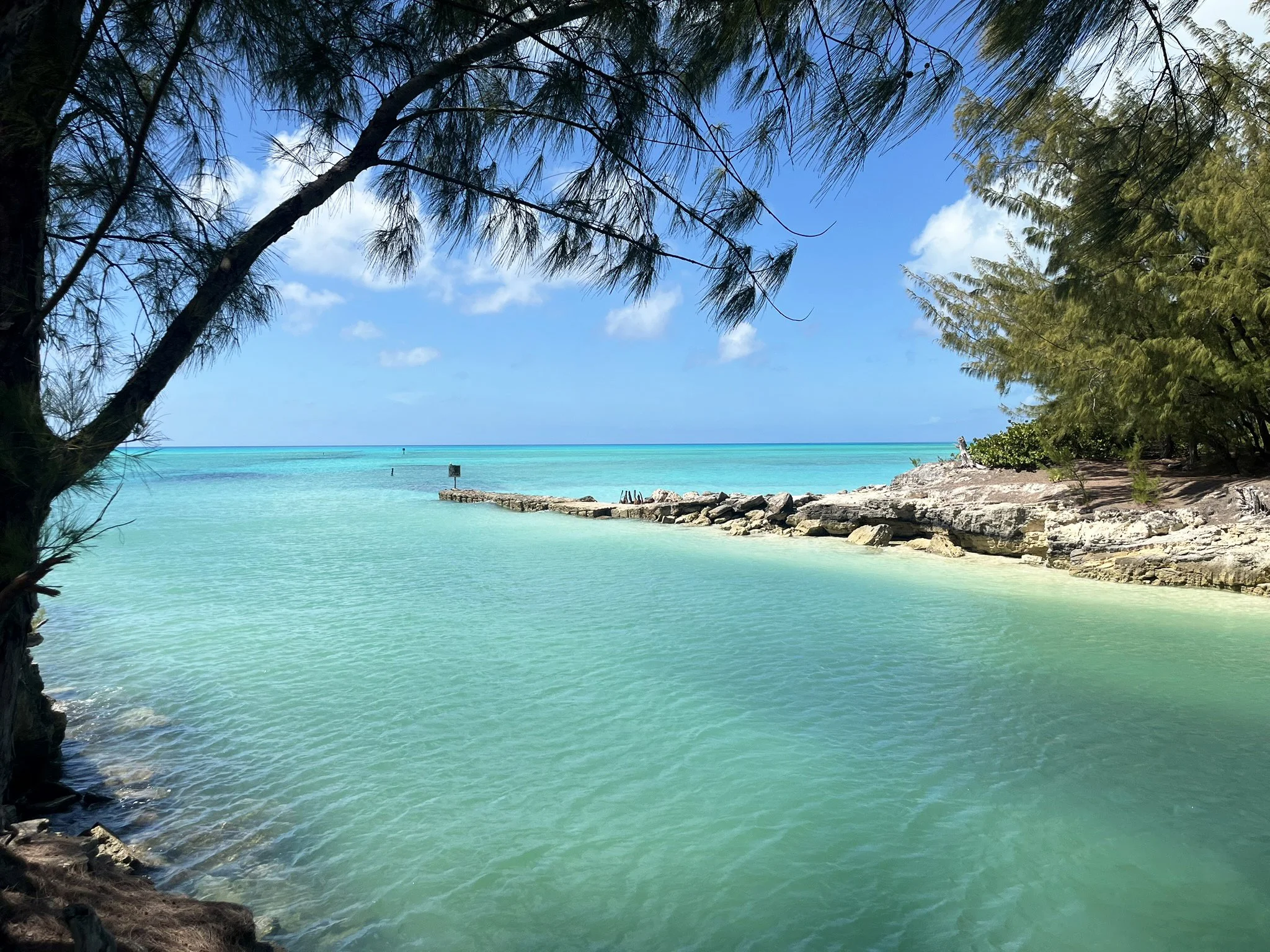
March 4, 2026 We recently travelled between New York, Nassau and Eleuthera to review a series of harbour sites with potential for marina development. Walking a waterfront provides information that drawings cannot — the tidal behaviour, the relationship between land and water, the qualities of light and wind that ultimately shape what can be built there. Two of those sites are now moving forward as active commissions.
PORT NIMARA in the news
20 November, 2025 As Port Nimara continues to capture international attention, it is rapidly emerging as one of the most talked-about developments in the region. The project has been featured across a growing number of high-profile press releases, industry publications, and investment briefings, generating significant momentum and reinforcing its position as a destination of both strategic importance and architectural ambition. With each new feature, Port Nimara is building a narrative that extends beyond development alone—positioning itself as a benchmark for visionary placemaking, economic confidence, and long-term regional transformation.
PORT NIMARA HAS ENTERED ITS CONSTRUCTION PHASE
19 May, 2025 Enabling works are complete and the marina structure is beginning to emerge from the shoreline. Brandon Buck Architects is lead design architect across all four phases, working in association with Perkins&Will and SF Marina.
port nimara COMES INTO VIEW
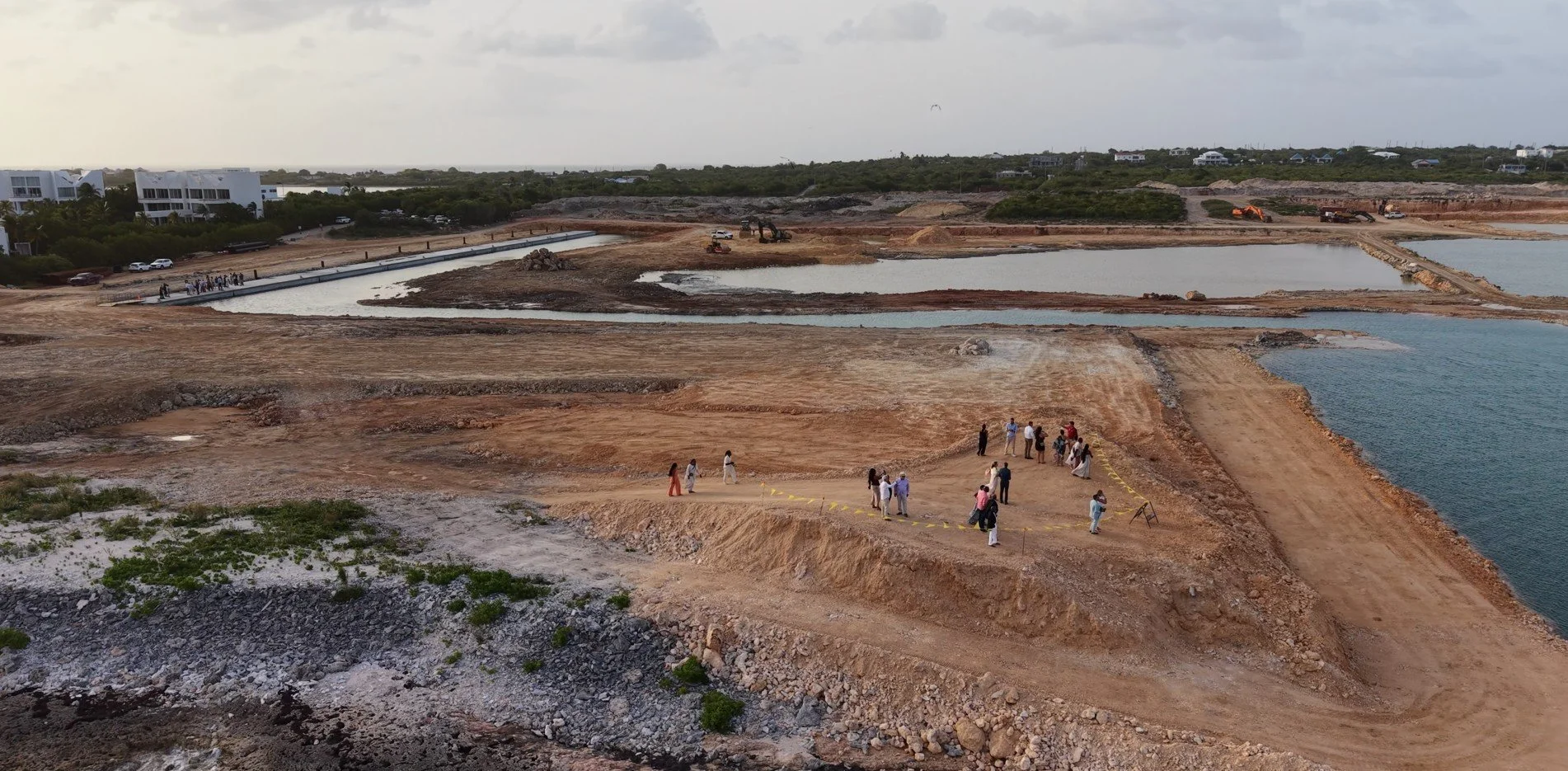
03 June, 2026 Last week, Brandon Buck Architects attended the VIP Preview Event for Port Nimara in Anguilla.
For a project that has occupied drawings, models and conversations for years, it was a rare opportunity to experience it at full scale. Walking the site, the marina basin, entrance channel and dock infrastructure are now clearly visible, revealing the physical framework of a development that is beginning to take shape.
Hosted by SF Marina, the event brought together project partners, government representatives and industry leaders to discuss progress and the next phase of delivery.
As lead architect and masterplanner, Brandon Buck Architects has been involved since the earliest stages of the project. Seeing the infrastructure emerge from the landscape was a reminder that transformative projects rarely begin with buildings. They begin with the systems, connections and foundations that make entirely new places possible.
Our LEADERSHIP

BRANDON BUCK RIBA
Brandon founded the practice after more than twenty years at Zaha Hadid Architects, Foster+Partners, Kohn Pedersen Fox Associates and Perkins&Will, where he was Principal. He holds ARB and RIBA qualifications and leads design across all BBA projects.
Founder and Design Director

Bo Youn Song
Bo Youn spent twenty years at Kohn Pedersen Fox Associates and Rafael Viñoly Architects, leading commercial, residential, later living and mixed-use projects in London and internationally. At BBA she leads design on commercial and residential commissions.
Design Director - Commercial and Residential
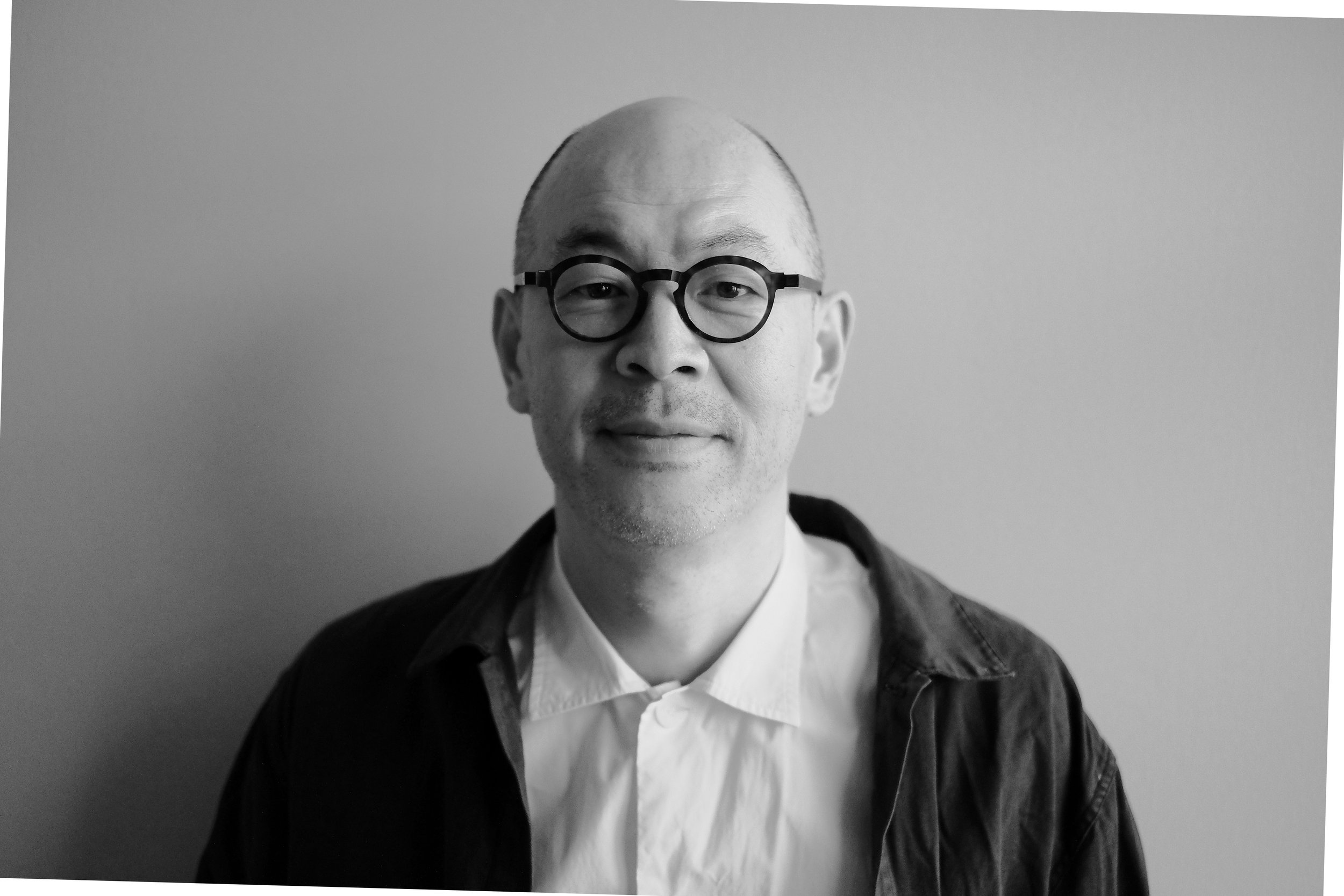
Design Director - Hospitality and Culture
JE-UK KIM
Je-Uk has worked at Kohn Pedersen Fox Associates, 3XN and Rafael Viñoly Architects. His work spans furniture, retail, exhibition design and large-scale architecture, including the Zayed International Airport. He also leads his own independent studio. At BBA he leads design on hospitality and cultural commissions.
INSIGHTS
At Brandon Buck Architects, we explore how architecture creates value beyond the building itself.
From urban transformation and adaptive reuse to hospitality, culture and waterfront destinations, our insights examine the forces shaping the future of cities and the built environment.
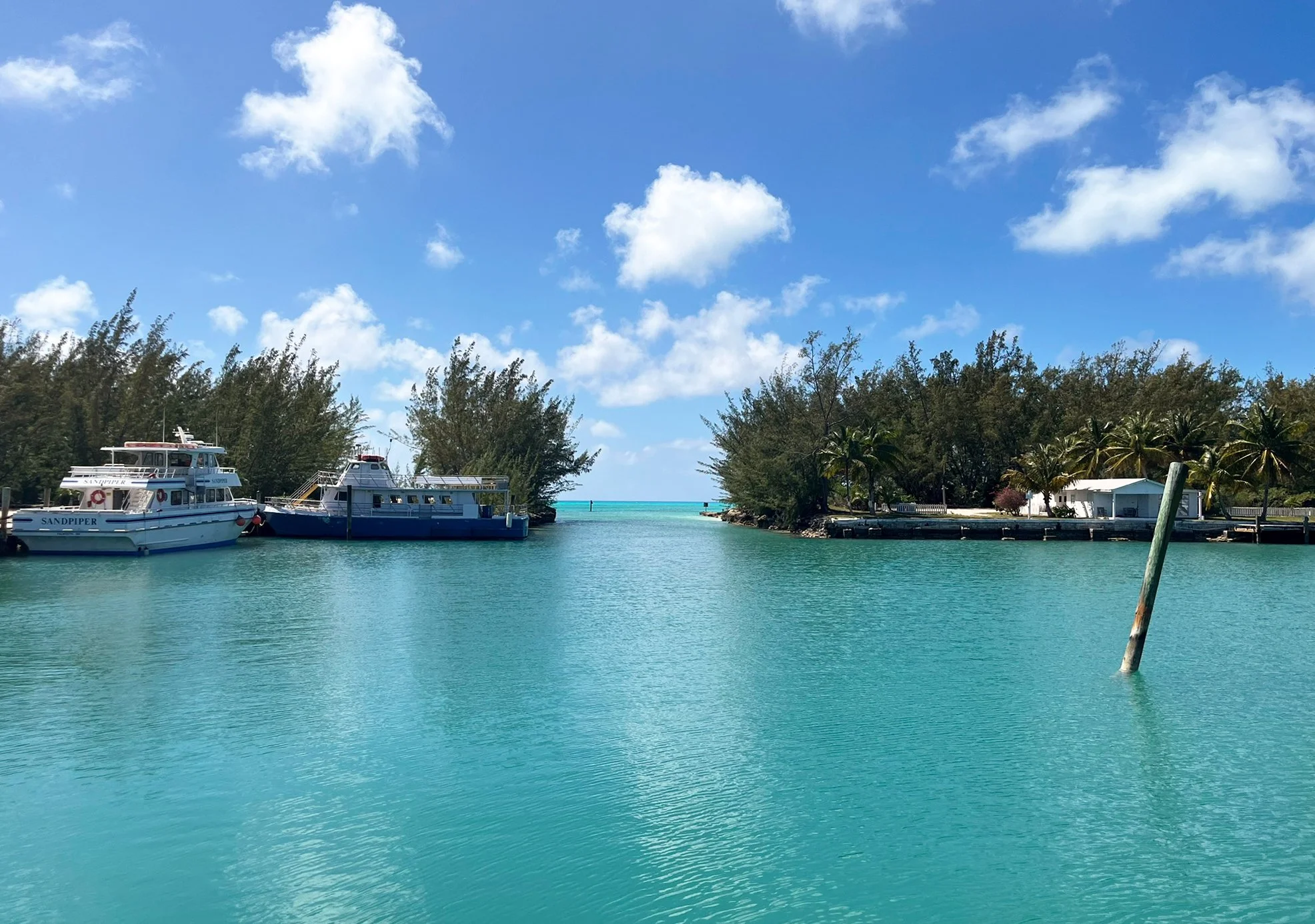
Finding The Missing Destination

The New Marina Economy
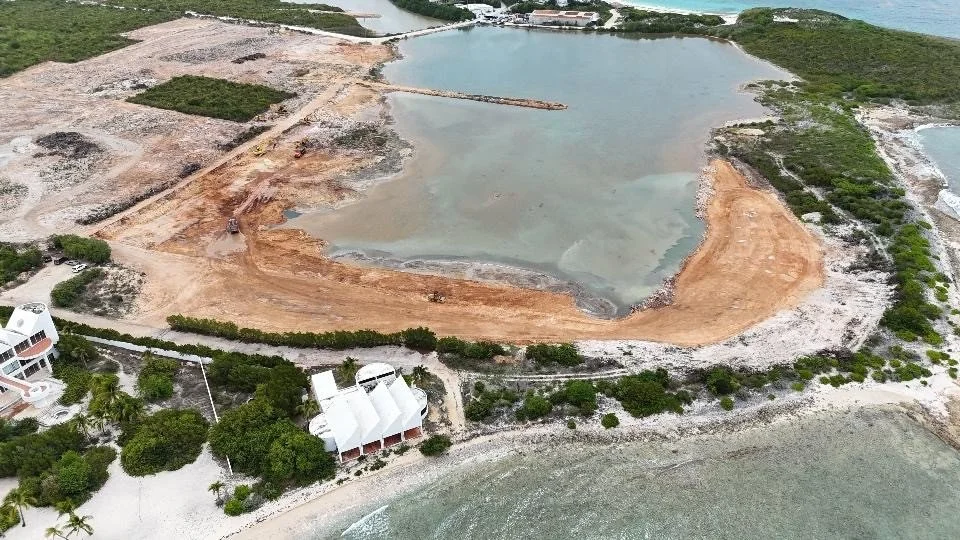
Designing With Water, Not Beside It
The Cultural Incubator
Why Berths Are No Longer Enough
The Age of Urban Surgery
The Discipline of Less
Designing for Modern Family Life
The Order of Decisions
START A CONVERSATION
For new commissions, development opportunities, strategic design advisory or confidential conversations, contact the studio directly.
Phone
+44 791 7831 899
bb@brandonbuckarchitects.com
Why Clients Choose Us
Senior-Level Design Leadership
Every commission is led by principals with decades of experience delivering complex projects at the world’s leading practices.
Commercial Intelligence
We understand architecture as both design and asset strategy.
Boutique Agility, Global Capability
Direct partner involvement, international experience, institutional delivery standards.