
THE VALUE OF WHAT ISN’T THERE
In global luxury development, the most compelling opportunities are rarely about creating something new. They are about identifying what is missing and understanding why it matters.
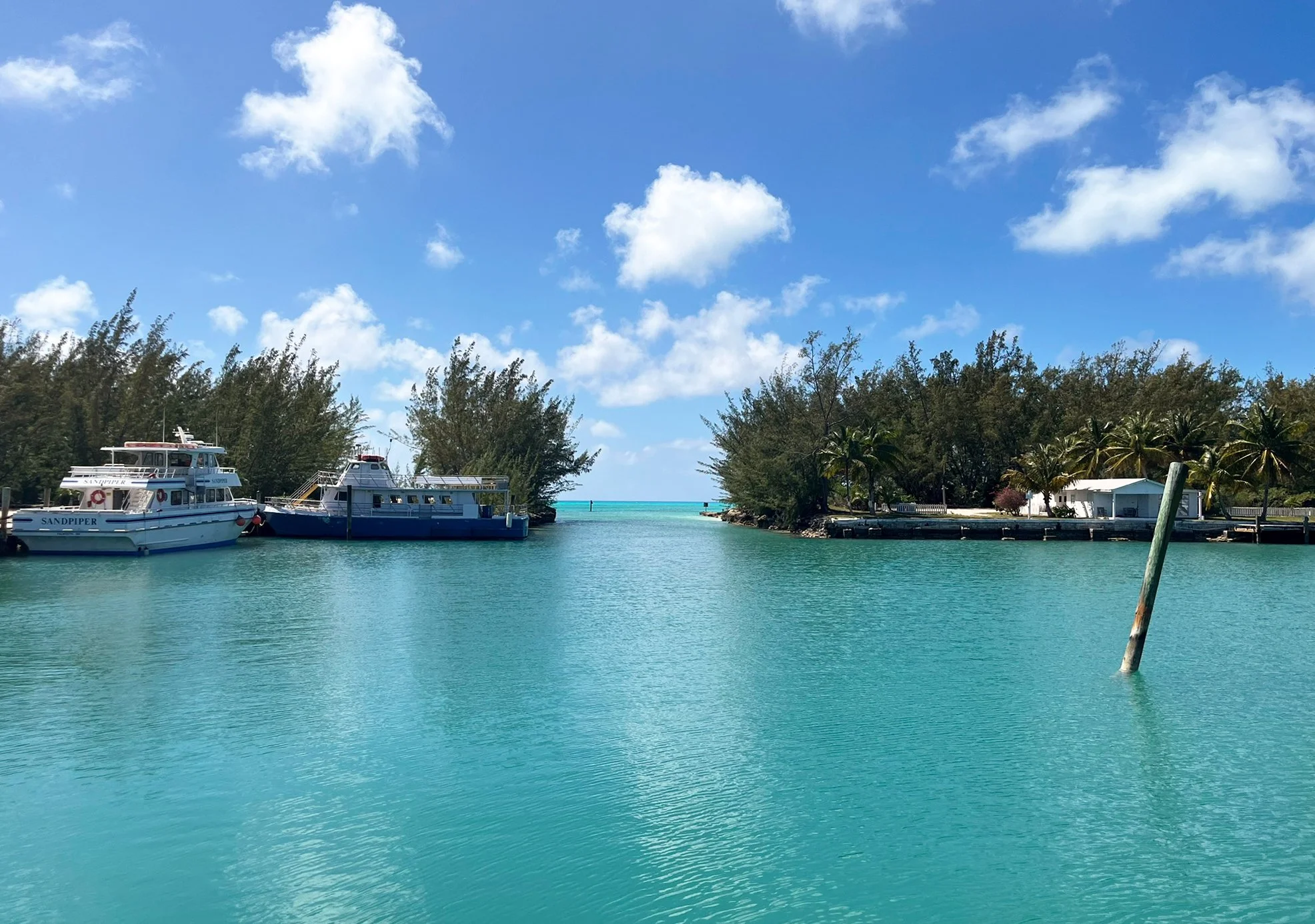
Across one of the busiest yachting corridors in the world, within a few hundred nautical miles of South Florida, movement is constant, but permanence is rare. Vessels pass through, routes are repeated, and yet there are remarkably few places designed not just to accommodate this flow, but to anchor it.
This is the overlooked condition, a network defined by transit, lacking a true point of arrival.
What makes this condition powerful is not just geography, but imbalance. Existing infrastructure is fragmented, often constrained in scale, limited in depth, or disconnected from meaningful hospitality. Even where capacity exists, it rarely aligns with the demands of modern superyachts or the expectations of their owners and crews.
The result is a subtle inefficiency across the entire system. Movement without pause. Proximity without purpose.
When viewed differently, this gap becomes an opportunity, not to compete with existing destinations, but to reposition the network itself.
A site with deep water access, natural protection, and proximity to established routes does not need to be invented. It needs to be calibrated. Scale shifts from dozens of berths to over a hundred. Infrastructure evolves from basic utility to a fully serviced environment. Hospitality, residential, and operational layers are integrated into a single, coherent framework.
The transformation is not simply physical, it is economic. Relevance replaces redundancy. A transient stop becomes a strategic destination.
Crucially, the most successful interventions of this kind do not rely on excess. They rely on precision. Clear site boundaries, defined ecological buffers, and an understanding of how land and water interact allow development to operate with intent rather than compromise.
What emerges is something more than a marina or a resort. It is infrastructure as experience, a place where arrival, service, and environment are inseparable.
In a market saturated with destinations, the real scarcity is not luxury, but inevitability. The places that succeed are those that feel less like inventions, and more like discoveries, locations that, once realised, seem impossible to ignore.
Sometimes, the greatest value lies not in what is built, but in recognising what has been missing all along.